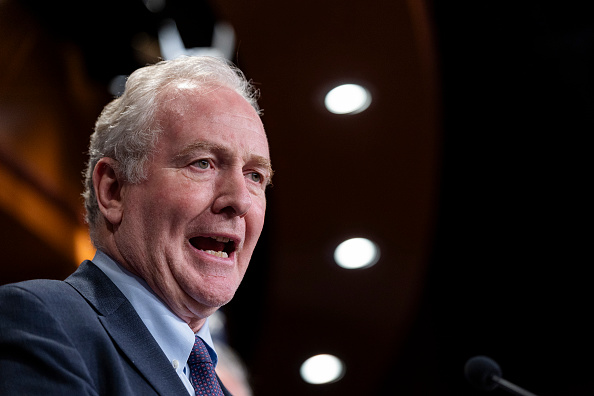
U.S. Senators Elizabeth Warren and Chris Van Hollen called on Securities and Exchange Commission Chair Paul Atkins to reverse course on two crypto measures. In separate letters sent on November 24, 2026, the senators and fellow Senate Banking Committee members challenged an August proposal on how crypto projects could raise money and a five-year exemption the SEC issued in September for trading tokenized stocks. The SEC declined to comment.
Registration exemptions for crypto offerings
The SEC’s proposed “Regulation Crypto Assets” would create two exemptions from registration under the Securities Act of 1933 for certain investment contracts involving crypto assets. A startup exemption would cover offerings of up to $5 million for four years. A separate fundraising exemption would cover offerings of up to $75 million for one year.
Warren, Van Hollen, Senator Tina Smith and other committee members argued that the proposal would let crypto firms circumvent securities laws, weaken states’ regulatory authority and put investors at risk. They objected to giving crypto offerings less oversight than traditional securities.
Trading tokenized stocks
Senators Jack Reed and Tina Smith joined Warren and Van Hollen in asking Atkins to withdraw the SEC’s “innovation exemption.” Unlike the proposed offering rules, this measure was issued as an order. For five years, it would exclude certain tokenized securities trading venues from the legal definition of an exchange and certain liquidity providers from the definition of a dealer when they trade stocks or provide liquidity through automated market makers.
The senators warned that the order would allow a “shadow stock market” to operate without longstanding safeguards for fair pricing and transparency. They argued that it would place new burdens on publicly traded companies seeking to protect shareholders and increase illicit finance risks. A separate marketplace for tokenized securities, they said, could also split liquidity into isolated pools and encourage firms to seek out the venue with the lightest oversight.
The previous week, Senators Angela Alsobrooks, Ruben Gallego, Mark Warner and Catherine Cortez Masto had separately raised concerns about illicit finance and pricing protections for retail investors.
The letters followed November’s midterm elections, in which Democrats won control of both chambers of Congress. Warren, who has previously raised concerns about crypto’s use in illicit finance and money laundering, was poised to take a more prominent role. Van Hollen had challenged Senate Minority Leader Chuck Schumer for the position of majority leader.