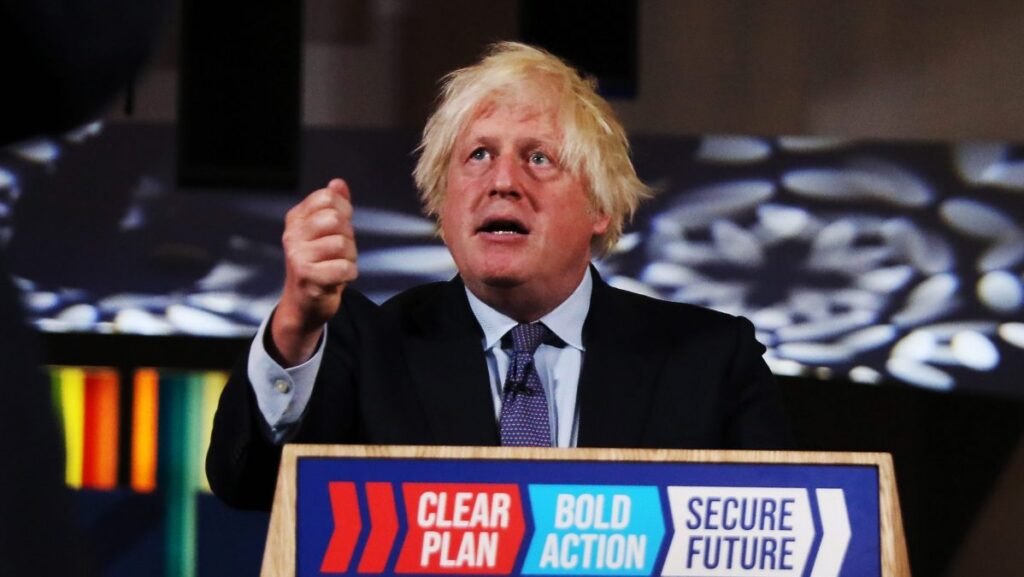
As reported on Nov. 17, 2026, former UK Prime Minister Boris Johnson said London should lead in blockchain development and asset tokenization, while reiterating his concerns about buying cryptocurrencies.
Speaking on a Solana Breakpoint panel on Nov. 16, Johnson was asked why he had likened bitcoin and other cryptocurrencies to a Ponzi scheme eight months earlier. He recalled a man he had met at a church in Oxfordshire who, according to Johnson’s March Daily Mail column, initially paid £500 ($660) to someone promising to double his money through bitcoin investment. The man continued paying fees in hopes of recovering his money and paid about £20,000 ($26,380) in total, Johnson wrote.
Johnson said he worried about whom a buyer could turn to if crypto funds were stolen. He nevertheless described himself as “totally, totally in favor” of blockchain innovation and tokenizing assets of all kinds, and said his concerns about crypto should not slow London’s development of the technology.
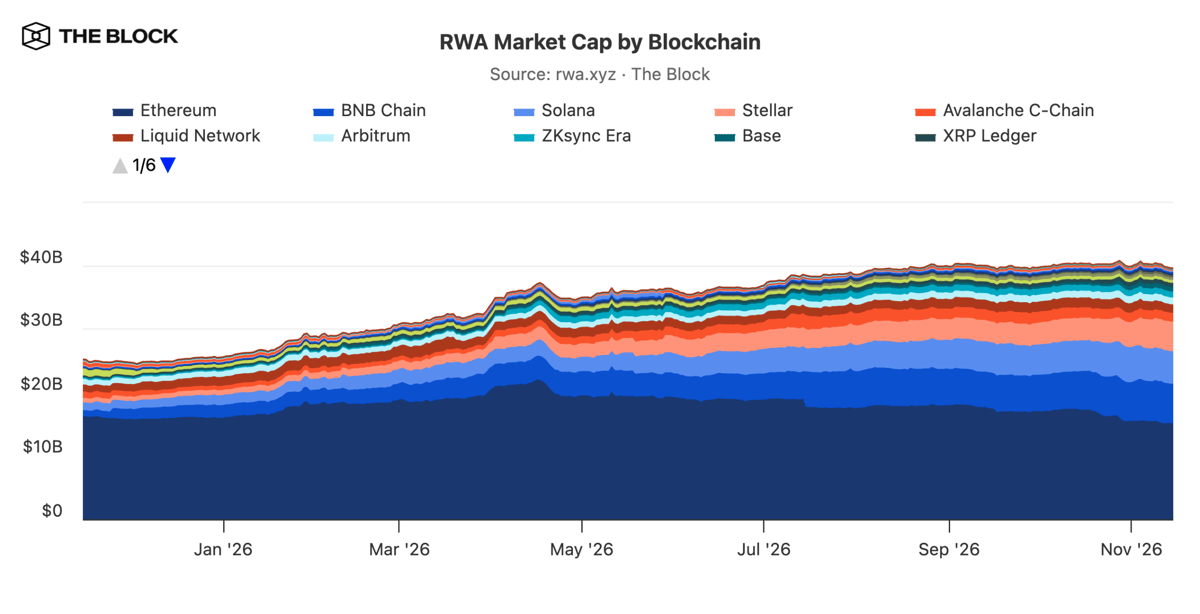
UK regulatory context
Fellow panelist Lord Ross Kempsell said he shared Johnson’s concerns about risk but saw scope for the UK crypto industry to grow under regulation. Kempsell said traditional financial firms in the City of London were increasingly using networks such as Solana.
The Financial Conduct Authority began accepting authorization applications under the UK’s new crypto regime in September 2026. Its initial application window closes Feb. 28, 2027, and the regime is scheduled to start Oct. 25, 2027. It will bring activities including operating crypto exchanges, holding crypto for customers, arranging staking and issuing qualifying stablecoins under FCA oversight.
Separately, the Bank of England revised its stablecoin proposal in June 2026. It dropped proposed caps on customer holdings and set out a proposed temporary £40 billion ($52.8 billion) issuance cap for each systemic sterling stablecoin.