
As reported on November 23, 2026, South Korea’s Financial Services Commission (FSC) was preparing to release the government’s draft Digital Asset Basic Act later that week, according to multiple local news reports. The proposal had not yet been released or enacted. After publication, it was expected to be combined with lawmakers’ proposals and reviewed by the National Assembly.
The act would be South Korea’s second major crypto law after the Virtual Asset User Protection Act, which took effect in 2024 and focused on safeguarding user assets and preventing unfair market activity. Authorities had indicated that the new bill would define digital assets and set broader rules for their issuance and distribution. The draft was also expected to replace the current notification system for crypto businesses with a licensing regime.
One contested proposal was a cap on major shareholders’ stakes in crypto exchanges, widely reported to be between 15% and 20%. The proposed limit was intended to curb concentration risk, while industry critics argued it would undermine free-market principles and property rights.
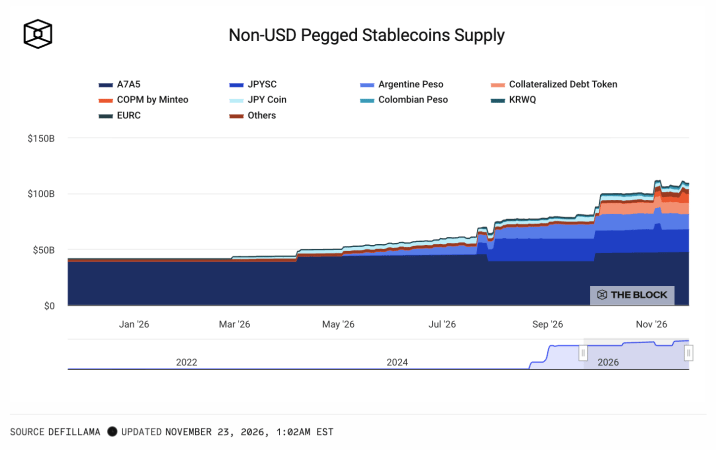
The government draft was also expected to require banks to hold more than 50% of any consortium issuing Korean won-pegged stablecoins. President Lee Jae-myung had called for a local-currency stablecoin market to protect monetary sovereignty, while South Korea’s central bank had advocated a bank-first model over concerns about monetary stability. Local industry participants argued that such a requirement would deter innovation.
Other expected provisions concerned business categories, project governance and internal controls, conduct standards, asset segregation and operational safety. Their final form remained subject to the legislative process.